This week I did exploration pack 1 which included chapters 15 and 16 of the textbooks. In reading these two chapters I was delighted to see that we have started to look at the Chinese Communist Party and the Guomindang. These two parties are ones that I had heard of in previous studies but never looked at too specifically.
There are a number of different parts of each of these chapters that I found interesting this week such as; the impact that the Guomindang had on Chinese society at the time when they first came into power, the downfalls of the Guomindang as a government and finally the way that the Guomindang approached international relations (particularly with the US) during this time. However, perhaps the most interesting parts of what I read in the chapters this week was about the relationship between the Chinese Communist Party and the Guomindang. This relationship although forged through the mutual dislike of the Qing emperor always seemed as though it was going to end in violence and the elimination of one of the parties. Furthermore, once as readers that we were able to understand the difference in personnel and population of the two parties it became clear that the Guomindang were going to come out on top. This of course happened as after the Qing empire was overthrown, we read about Chiang Kia-Shek’s orders to hunt down and eliminate the communist party in the latter part of the 1920s and early 30s.
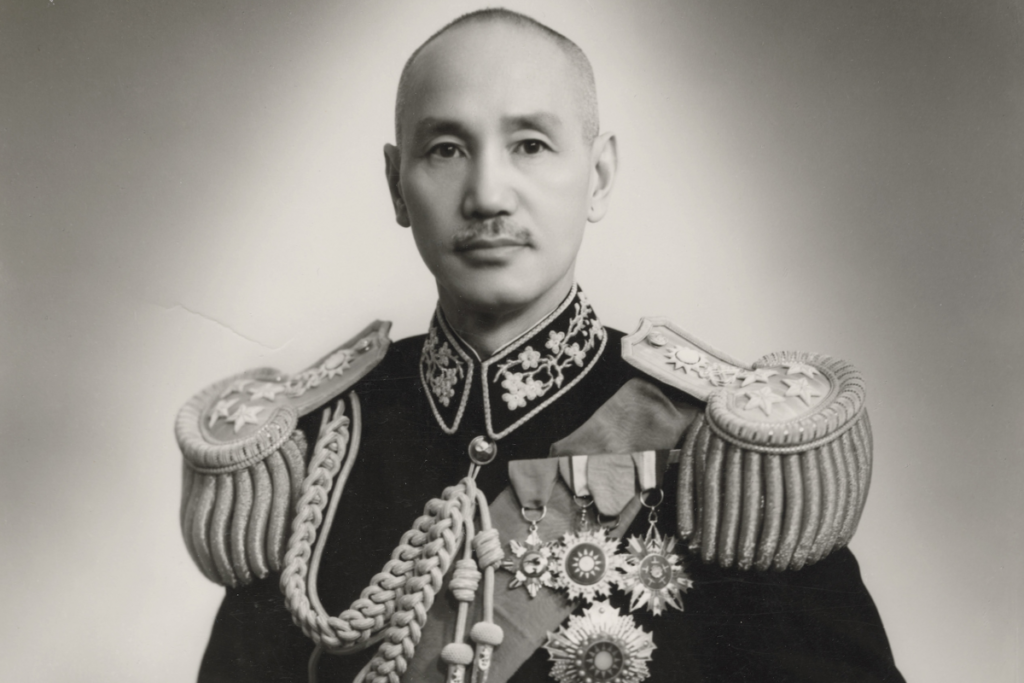
Once understanding this established dislike between the two parties as they became rivals for popularity and power in China it was surprising to see how the Communist Party turned to the Guomindang and offered a truce in order to create a united front against the Japanese who were encroaching on Chinese territory. This is something that if in the same position, as head of the communist party, I am not sure I would have done as I would have tried to take advantage of the Guomindang’s preoccupation with the Japanese to recruit more people and make more secure lines of communication between different pockets of communist groups across China and in other countries.
Looking into next week I am very excited to see how this relationship continues to develop as we hear about what it is that Kai-Shek does once he was released by the CCP and how he responds to the CCP’s offer of a united front.
Sources:
Spence, Jonathan D. The Search for Modern China. Third ed. New York: W.W. Norton & Company, 2013.
- Chapters 15 and 16 (“The Guomindang in Power” and “Communist Survival”)
