In my blog post last weeks, I took a new approach to my reflection. Rather than purely reciting what it is that I had read about I covered some basic context and then looked at the hypothetical what if questions that I get during my readings. As I found this to be a fun twist on our regular blog posts, I think that I will do it again this week.
For this week’s post I did exploration pack 1 which was the basic set. Out of the two chapters I found chapter 24 to be the one that I found particularly interesting and raised, for me, the most questions. As is always important I will cover some context before delving into what those questions and thoughts were that I had about the chapter. The chapter covered the ‘four modernizations’ and discussed how after the death of Mao China underwent a process of reopening to the world. Furthermore, it was during this time period that we read about the significant changes in policy that China underwent. Some of the largest of which included, the declaration that the CCP must not overthrow government operations and that the government must not hold back industry production. Peasants were allowed to produce and sell their own crops on the side, which raised the price paid for grain harvested and reducing costs of production materials. And finally, that the government would put in place new safeguards to protect from corruption.
It was also in this week’s basic set that we read about the ‘fifth modernization’ which was the push from a significant amount of the Chinese population and Chinese academics for democracy in China. Wei, a notable academic during this time, argued that a movement to a democracy would catalyze further modernization in China and would help to improve many of the problems that China was having within its peasant population particularly. Unfortunately for way and many of those that supported such a change the government, led by Dang, suppressed these requests/pleads for reform like his predecessor, Mao, had.
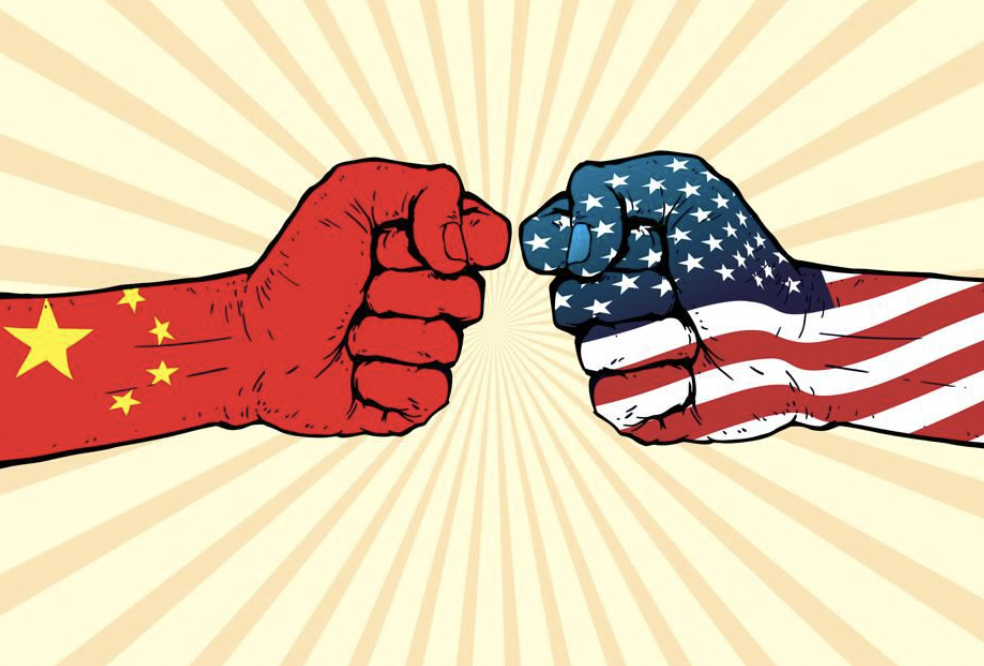
It is from this section of the reading however that I was stimulated to think deeper about how if there was change what it would have looked like. Furthermore, would a diplomatically led China been able to foster a better relationship with America who they were beginning to have open up to again? It is my belief that this very possibly could have been the case and moreover this would have drastically changed the perspective that Americans and much of the Western world views China today.
Sources:
Spence, Jonathan D. The Search for Modern China. Third ed. New York: W.W. Norton & Company, 2013.
- Chapters 23 (Re-opening to the World) and 24 (Redefining the Revolution)
