In the Fall semester of 2021 I completed an assignment for a class called Small Business Management. In this class our final assignment challenged students to use and improve on their business analysis skills in a unique way. This assignment was very much influenced by the fact that the class was being done in the midst of the pandemic and as a result many business (particularly smaller ones) around the world were having to make significant pivots within their business models to survive. Because of this the students in the class were paired together and tasked with the finding of an industry that they thought was interesting. After selecting an industry and doing considerable research on that industry we were then told to find a specific small business within the area to reach out to and analyze more narrowly. Once we found a business and talked to their owners about the businesses operations, finances and so on we were required to brainstorm how the company might make a pivot or add to their normal business model. After talking to the businesses the groups were asked to present their ‘pivot’ and explain why they think it would add value to the company and also what the difficulties of implementation would be. These presentations were then sent to the owner of the business, if our instructor OKed them.

This assignment and it’s origin in the content of the world that we were living in at the time helped to improve my business analysis skills greatly. More specifically, this assessment and the hands on work that we were able to do with the real owners of these businesses helped me to understand how intricate many businesses are in terms of their operations and how purposeful business owners are in the creation of not only their business models but also the culture they create even in the carrying out of everyday operations. On top of this this assignment provided me with an understanding of the awareness that businesses must have of their periphery environments as they not only balance idiosyncratic risk but also larger economic and industry specific risks. The analysis skills that I gained from completing this assignment have helped me to understand the importance of a detailed SWOT analysis and how it can be transformed from research to action.
Details of the assignment:
Attached below is the presentation that my partner and I made. The industry that we first selected and did research on was the fitness industry. From there we then chose to contact a local 24 hour gym that was called Super Sets. Once we had talked to the owner, Ed Frank, in detail about his company we used that information, as well as the other research that we had done, to create a SWAT analysis of the company. This SWOT analysis was essential to understanding how we could use the strengths of Super Sets and pair them with the gyms weaknesses or threats to help the business.
In our discussion with the owner it became clear that the gyms most valuable ‘strength’ was the family like feeling that those members that joined felt. This came in contrast to the disassociated and individual feeling, that we found in our research, that many feel when joining large national gyms. After understanding this point of positive differentiation for Super Sets we looked to the gyms largest threat which was these same national branded gyms that were coming into the area, and often had a lower membership price point.
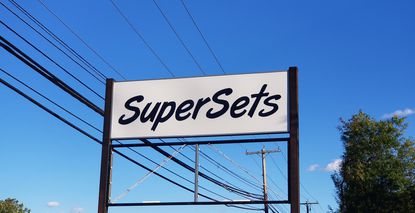
My partner and I then went away and thought about how we might recommend a pivot or addition to Super Sets business model that would help to battle the increased competition in the area. What we ended up recommending was a partnership with a local food wholesaler that was located just down the road, called Restaurant Depot. As much of Super Sets membership population was said to be quite serious about their fitness goals and with a staff that were all trained in nutrition we came up with the idea of a meal plan service that members could create with the gyms employees that was tailored to not only their fitness goals, but also their tastes, cooking abilities and schedules. Once these meal plans were created they would be sent to Restaurant Depot that would then create a bundle of recipes and fresh ingredients for the subscribers of this service to pick up on their way home from the gym.
We made this recommendation on the belief that it would help quite popular among Super Sets more serious members, would continue to add to the family like feel that the gym was so well known for, and finally would help to differentiate Super Sets from national branded gyms and justify the higher price point for membership fees.
For Restaurant Depot, although we did not reach out to their management, we looked at how the wholesale industry was being effected by the pandemic (with restaurants selling less food – due to the lockdown – they were ordering less) and presented how this partnership would not only bring additional revenue into the company but would also help Restaurant Depot to diversify their client base and thus increase the protection they had from macro-economic and market risk.
This assignment was one amongst a number in the class that were then selected to be given to the owner of the business to consider.
